
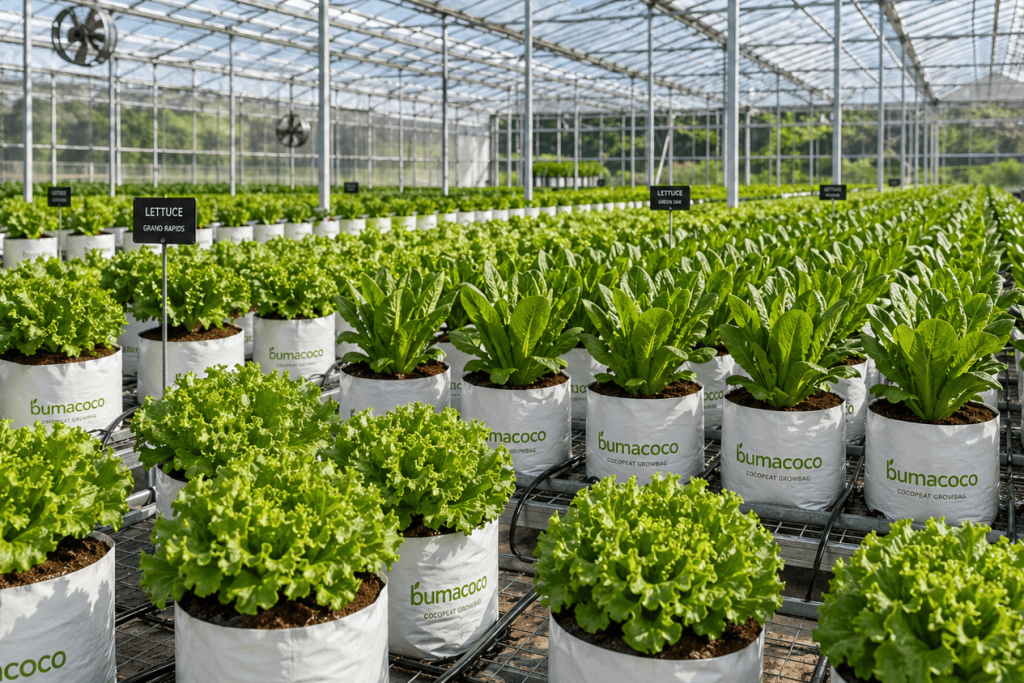
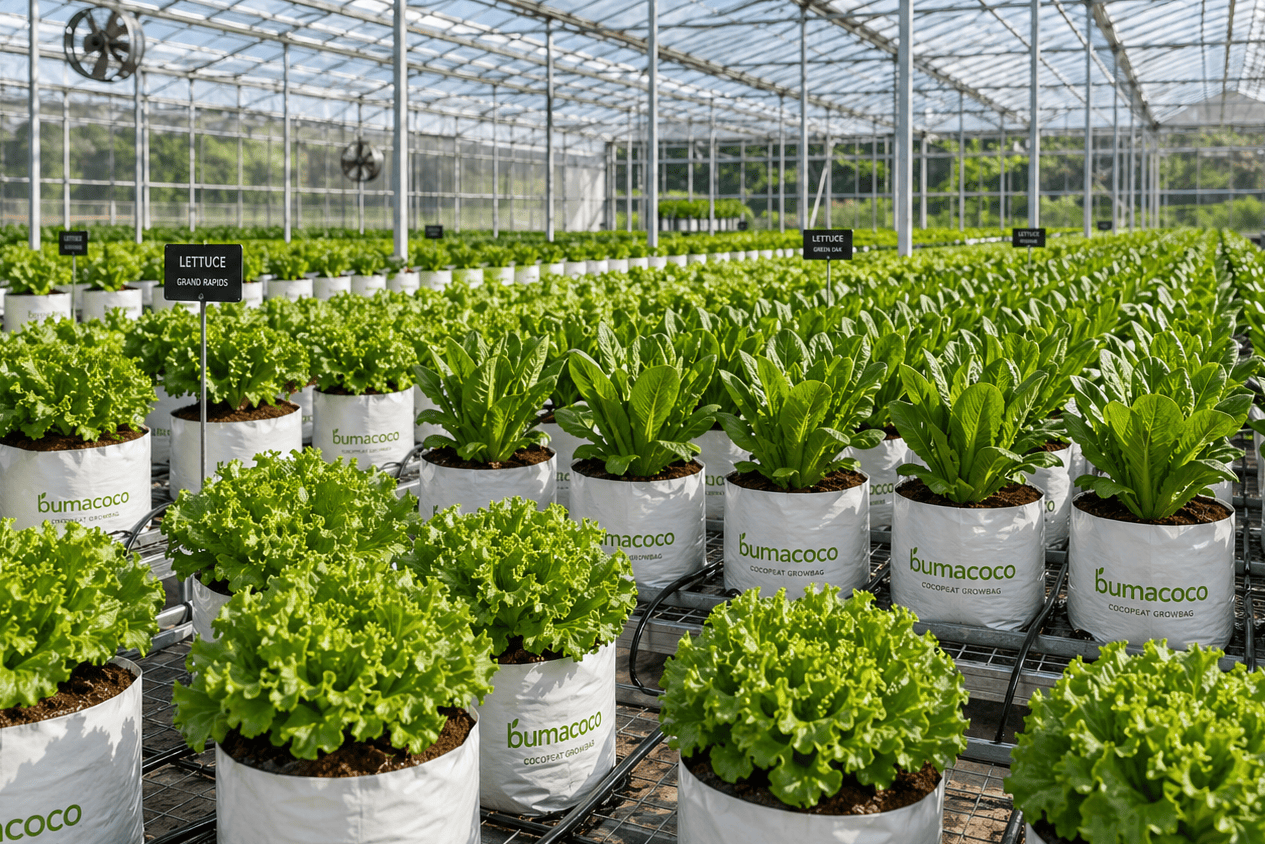
In recent years, the global agricultural industry has undergone a transformative shift toward sustainability, efficiency, and innovation. Among the emerging solutions gaining international attention is cocopeat, particularly in its compressed block form. As environmental concerns intensify and traditional farming methods face increasing limitations, the future potential of cocopeat is becoming a central topic in global agricultural discussions.
Cocopeat, derived from coconut husk waste, has evolved from a by-product into a highly valuable agricultural commodity. With superior water retention, aeration, and biodegradability, cocopeat blocks are now widely used in horticulture, hydroponics, greenhouse farming, and urban agriculture. The future potential of cocopeat is strongly tied to global megatrends such as climate change, soil degradation, and food security challenges.
This article explores the future projection of international demand for cocopeat block products, highlighting why the future potential of cocopeat is expected to grow significantly across many countries worldwide.
Global Market Overview of Cocopeat
The global cocopeat market is experiencing robust growth driven by increasing demand for sustainable agricultural inputs. According to recent market data, the cocopeat industry is projected to grow from approximately USD 2.65 billion in 2025 to USD 5.79 billion by 2033, with a compound annual growth rate (CAGR) of around 8–10%.
This growth reflects the expanding recognition of the future potential of cocopeat as a viable alternative to traditional growing media such as peat moss. As countries implement stricter environmental regulations, the demand for renewable and biodegradable substrates continues to rise.
In addition, the global shift toward organic farming and eco-friendly cultivation methods is further strengthening the future potential of cocopeat. Cocopeat is increasingly replacing non-renewable materials due to its sustainability profile and long-term usability.
Why Cocopeat Blocks Are Gaining Global Popularity
One of the key factors behind the rising future potential of cocopeat is the growing preference for cocopeat blocks over loose substrates. Compressed cocopeat blocks offer several advantages:
- Easy transportation and reduced shipping costs
- Longer shelf life and efficient storage
- Consistent quality and standardized usage
- Lower environmental footprint
Market trends show a clear increase in demand for cocopeat blocks and briquettes, especially in Europe and North America, where logistics efficiency and sustainability are critical factors.
The future potential of cocopeat is therefore not only driven by product quality but also by its practical advantages in global trade and supply chains.
Key Drivers of Future Global Demand
1. Rising Demand for Sustainable Agriculture
Sustainability is the primary driver of the future potential of cocopeat. As the agricultural sector faces pressure to reduce environmental impact, cocopeat offers a renewable and biodegradable solution.
Unlike peat moss, which takes thousands of years to regenerate, cocopeat is derived from coconut waste, making it a circular and sustainable resource. This advantage positions cocopeat as a preferred medium in environmentally conscious markets.
2. Expansion of Hydroponics and Soilless Farming
The rapid growth of hydroponics and soilless farming systems significantly contributes to the future potential of cocopeat. These systems require high-performance growing media, and cocopeat meets these requirements perfectly.
Hydroponic farming is expanding globally due to:
- Limited arable land
- Increasing urbanization
- Need for higher crop yields
- Water efficiency
Cocopeat’s ability to retain water while maintaining aeration makes it ideal for these systems, reinforcing the future potential of cocopeat in modern agriculture.
3. Urban Gardening and Indoor Farming Trends
Urbanization has led to the rise of home gardening and indoor farming. Consumers are increasingly adopting small-scale cultivation practices, further boosting the future potential of cocopeat.
Cocopeat blocks are particularly suitable for urban users due to:
- Ease of use
- Lightweight structure
- Clean and odorless properties
The surge in urban gardening across Europe, North America, and Asia is a strong indicator of the growing future potential of cocopeat.
4. Global Shift Toward Organic Farming
Organic farming is one of the fastest-growing agricultural sectors worldwide. Cocopeat plays a critical role as a natural and chemical-free growing medium.
As consumers demand healthier and pesticide-free produce, the future potential of cocopeat becomes increasingly significant in supporting organic farming systems.
5. Climate Change and Water Scarcity
Climate change has intensified the need for efficient water management in agriculture. Cocopeat’s high water retention capacity makes it a valuable solution.
Regions facing water scarcity are adopting cocopeat to improve irrigation efficiency, further strengthening the future potential of cocopeat on a global scale.
Supply and Export Opportunities
The future potential of cocopeat is particularly promising for exporting countries. Indonesia, Sri Lanka, and India are leading suppliers, leveraging their coconut industries to produce cocopeat at scale.
However, global demand is currently outpacing supply, creating opportunities for expansion. Manufatures who focus on quality standardization, certification, and efficient logistics will benefit the most from the future potential of cocopeat.
Bumacoco as one of the best cocopeat producers in Indonesia will continue to perfect technology and systems to meet world needs by producing the best quality cocopeat.
Bumacoco also opens long-term supply opportunities with customers or importers throughout the world, potential customers can contact +6287-8777-677-32 (call/Whatsapp/Imo), email: info@bumacoco.com or visit the official website at www.bumacoco.com.
Future Outlook and Long-Term Projection
The long-term outlook for cocopeat is highly optimistic. Several global trends will continue to drive the future potential of cocopeat, including:
- Increasing global population and food demand
- Declining agricultural land availability
- Rising environmental awareness
- Growth of controlled environment agriculture
As these factors converge, cocopeat is expected to become one of the most important growing media worldwide.
Conclusion
The future potential of cocopeat is undeniably strong, supported by global shifts toward sustainable agriculture, hydroponics, and eco-friendly practices. Cocopeat blocks, in particular, offer practical advantages that align with modern agricultural and logistical needs.
With market projections showing steady growth, increasing international demand, and expanding applications, cocopeat is no longer just an alternative—it is becoming a primary solution.
For producers, exporters, and investors, understanding and leveraging the future potential of cocopeat will be key to capturing opportunities in the evolving global agricultural landscape.